
Some people notice a headache, a knotted stomach, or a sore back long before they notice any feeling. Others never notice the feeling at all, only the symptom. Alexithymia, which means having trouble identifying and describing your own feelings, is linked to reporting more physical symptoms, and the strongest link is with trouble identifying what you feel.[1] It is also more common in people living with chronic pain.[2] This guide explains how the two connect, why your symptoms are real even when feelings are involved, and how you can work on the emotional side while you keep getting medical care.
How Alexithymia and Physical Symptoms Are Connected
Alexithymia is a trait and transdiagnostic risk factor that ranges from mild to strong, and it shows up in three ways: difficulty identifying feelings, difficulty describing them, and a habit of focusing on outside events rather than inner experience. When feelings are hard to read, the body can be the first place distress shows up. In a Reddit thread about physical pain instead of emotional pain, one person described it like this:
“I don’t think I am sick and I don’t have other health problems, but I know that when I’m stressed I get sick before realizing it’s stress sick.”[6]
A post in r/Alexithymia, asking whether pain can come from feelings you can’t identify
Research has found a link between difficulty reading feelings and reporting physical symptoms. In 2003, researchers at Leiden University pulled together the studies on alexithymia and somatization, which these studies measured by asking people about their physical symptoms. They found a small to moderate link between alexithymia and symptom reporting. Difficulty identifying feelings had the strongest link, while an outward-focused thinking style was barely related at all.[1] A study of 5,129 Finnish adults then found the same link in the general population, and it held after taking physical illness, depression, and anxiety into account.[3]
Chronic pain shows a similar pattern. A 2019 review of 77 studies covering more than 8,000 people with chronic pain found that alexithymia was higher in people with pain and went with more intense pain and more interference in daily life. Part of that link seems to run through low mood and anxiety, which often come with both.[2]
Which comes first?
Does pain make feelings harder to read, or does difficulty reading feelings make pain harder to live with? A two-year study of 1,453 people with chronic pain, published in 2026, looked at the order. People with more alexithymia at the start went on to have more symptoms of depression and anxiety a year later, and those symptoms were linked to more disruption from pain the following year. The same pattern did not explain how intense the pain felt, and pain interference did not predict later alexithymia.[7] So pain can feel about the same and still interfere with more of your day.
Why the Body Speaks First
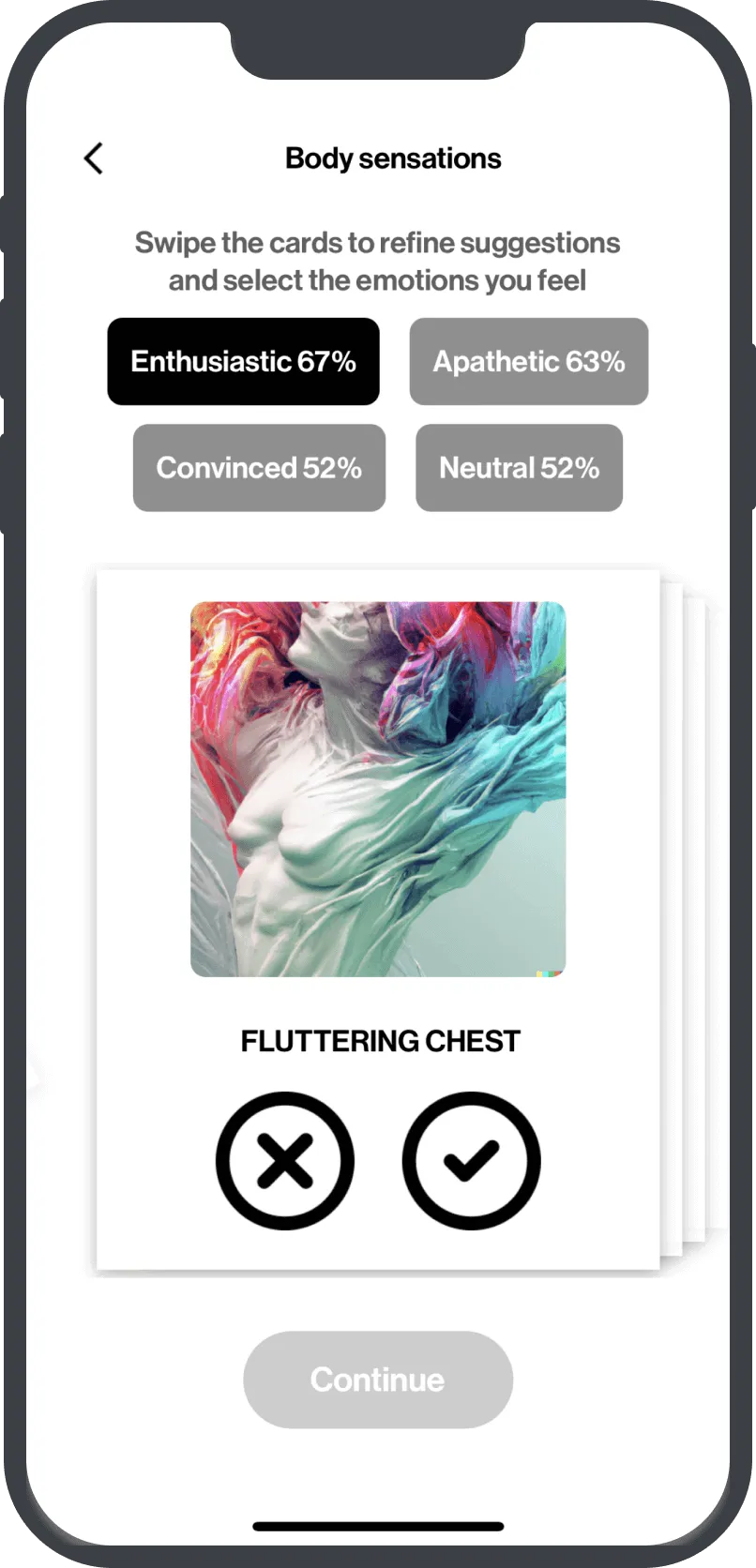
Emotions can come with physical changes. Fear speeds up your heart, sadness can feel heavy in your chest, and worry can tighten your stomach. Most people use those changes, along with what is happening around them, to work out what they feel. With alexithymia, that link between body and feeling is harder to make. You might notice the racing heart or the tight stomach without recognizing what emotion, if any, comes with it.
Sensing something and working out what it means are different. If your stomach tightens just before a difficult conversation, recognizing that you’re nervous gives you one possible explanation. If nerves don’t occur to you, you might wonder whether lunch made you ill and pay more attention to the knot. Neither interpretation tells you for sure what caused it. Gut researchers have proposed that how people interpret these sensations could help explain the link with alexithymia.[8]
Paying close attention to a sensation can make it feel stronger. Researchers call this somatosensory amplification. Some studies find a link with alexithymia and others don’t.[8] One possible loop is that worry about the symptom adds more stress, the stress adds more body signals, and the loop keeps going. Often the feeling only becomes clear later, if at all:
“Absolutely. I get random chest pains all the time, and it’s only after a while that I realise they’re from my anxiety.”[9]
A commenter in r/Alexithymia, replying to a question about physical pain instead of emotional pain
When it shows up in your gut
A 2018 review of alexithymia and functional gut conditions, such as irritable bowel syndrome (IBS), found higher alexithymia in people with these conditions across many studies. But this doesn’t mean every body signal feels stronger. In separate lab studies of healthy volunteers, higher alexithymia scores went with worse performance at detecting a heartbeat, but with greater sensitivity to pain from stretching the lower bowel.[8] Gut symptoms still have physical causes and need proper care. But if your stomach flares on stressful days and you can’t say what you feel, the emotional side is worth paying attention to as well.
Your Symptoms Are Real and Worth Checking
Many people with ongoing symptoms have been told it is “just stress” and felt dismissed. Feelings being involved doesn’t make a symptom imaginary. The NHS is clear that symptoms without an obvious medical cause are not faked or “all in the head”. They are real and can affect how well you function, and about 1 in 4 people who see a GP have physical symptoms that can’t be explained.[4] A doctor in a Reddit thread about patients with these symptoms described the balance well:
“I think though no matter what, people don’t like hearing ‘its all in your mind’ because they take that as ‘you’re making this up’ when it couldn’t be further from the truth. The symptoms are very real and so is the suffering, but it’s a delicate balance to explain this.”[10]
A commenter in r/medicine, in a discussion about caring for patients with somatic symptoms
The researchers who developed emotion-focused treatments for pain start with a medical check too. They review medical records and history to rule out disease or injury that would explain the pain before treating its emotional side.[11] Working on feelings is something you add to medical care, not a reason to skip it.
When to get symptoms checked again
- A new symptom, or one that has changed. See a doctor, even if earlier symptoms turned out to be stress related.
- Sudden, severe, or alarming symptoms. Get emergency help for sudden chest pain that doesn’t go away, pain that spreads to your arm, neck, jaw, stomach, or back, or chest pain with sweating, nausea, light-headedness, or breathlessness.[16] Call your local emergency number. Don’t wait to work out whether stress is involved.
- Symptoms that get steadily worse, wake you at night, or come with weight loss or fever. Book an appointment soon.
- A feeling that something has been missed. You can ask for a second opinion.[4]
Treatments That Work With Emotions
If your doctor has checked your symptoms and found no ongoing disease that explains them, some of the most promising treatments work on the emotions underneath. They don’t ask you to accept that the pain is imaginary. They help you notice, name, and express feelings that may be keeping the pain going.
Emotional awareness and expression therapy
Emotional awareness and expression therapy (EAET) was developed by Mark Lumley and Howard Schubiner for pain that isn’t explained by tissue damage. It helps people recognize, share, and work through stressful experiences and emotional conflicts that may be feeding the pain. Trials have tested it in fibromyalgia, IBS, pelvic pain, and other unexplained symptoms. Most people stay with the treatment, and side effects are rare.[11]
In a 2024 trial with veterans aged 60 to 95 who had long-term muscle and joint pain, EAET reduced pain more than cognitive behavioral therapy, both right after treatment and six months later. Right after treatment, 63% of people in the EAET group reported their pain dropping by at least 30%, compared with 17% in the CBT group.[5] An online, self-guided version also reduced physical symptoms compared with a waiting list, and about 1 in 5 people improved a lot.[12]
Pain reprocessing therapy
Pain reprocessing therapy (PRT) is a related approach that helps people rethink pain as something produced by the brain rather than a sign of damage, and become less afraid of it. In a trial with 151 adults with chronic back pain, people who had PRT reported much less pain five years later, and the biggest changes were in fear of harm and in seeing the pain as coming from the brain. Of those who had PRT, 55% were nearly or completely pain free at five years, compared with 26% after a placebo treatment and 36% with usual care.[13]
The alexithymia treatment guide covers other therapies that build emotional awareness and how to choose a therapist.
Practicing the Emotional Side
You can start building the link between body and feeling on your own, alongside any treatment. The NHS describes the aim of talking therapy for these symptoms as understanding the links between your symptoms, worries, feelings, and how you cope.[4] The steps below are practical ways to do the same in daily life.
Keep a symptom and situation log
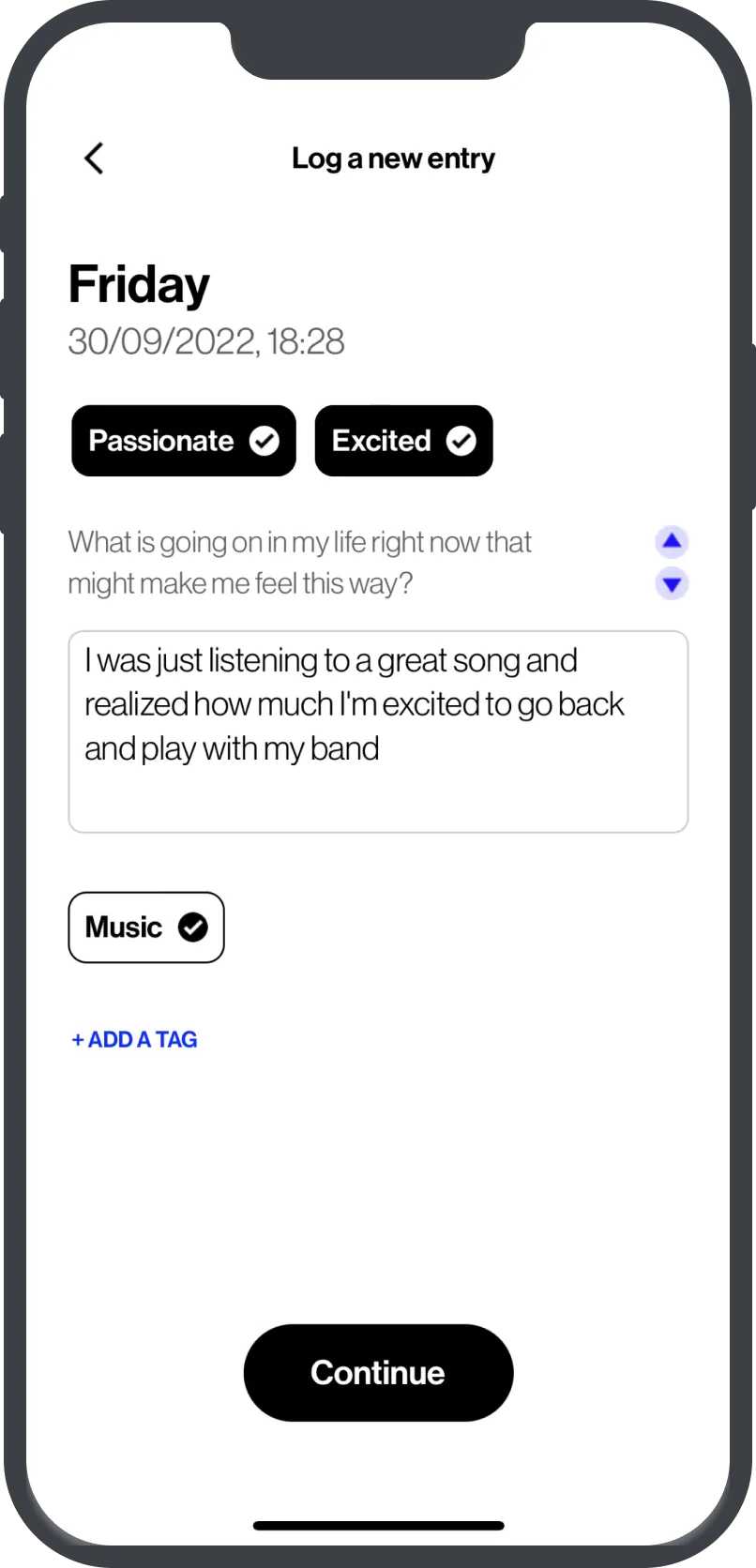
When a symptom flares, write down three things: what you feel in your body, what was happening in the hour or day before, and what you were thinking about. You don’t need a feeling word yet. Context does a lot of the work, because body signals on their own are easy to mix up:
“Hard yes. This, for me, is one of the most frustrating side-effects of the trait/condition. I confuse stress with illness with stress with hunger frequently.”[14]
A commenter in r/Alexithymia, replying to a question about pain from unnamed feelings
After a week or two, read the log back. Look for symptoms that keep showing up before the same kinds of events, such as a hard conversation, a deadline, or a visit to a certain person. Bring what you find to your doctor or therapist as well.
Make a best guess at the feeling
Once you have the body signal and the situation, take a guess at the feeling. Ask yourself how most people would feel in that situation, then check whether any part of that guess seems true for you. A tight jaw before a meeting might be dread or anger. A heavy chest after a phone call might be sadness. A guess you later change still counts as progress. The interoception guide has more on reading body signals, and the alexithymia exercises give step-by-step ways to name a feeling.
Let feelings come back gradually
As you start to name feelings, some of them may feel strong or unfamiliar at first. That can be a sign that signals you used to miss are getting through. Go at a pace you can manage, and stop and get support if you feel panicky, detached, or overwhelmed. One person who worked on the anxiety that had drowned out their other feelings described the change like this:
“Once my anxiety was better managed… wow, other emotions started coming online! They were not 100% volume right away, though. Some started to come in at like 10% or 15% first. Very hard to hear, but there. I had to really focus on them and appreciate them when they popped out.”[15]
A commenter in r/Alexithymia, in a discussion about whether alexithymia is a symptom or a cause
Getting Support
Start with your doctor or GP for any symptom that is new, changing, or worrying, and tell them how the symptoms affect your daily life and how upsetting they are.[4] If your symptoms have been checked and keep coming back, ask about a pain clinic or a psychologist who works with chronic pain or persistent physical symptoms. You can ask directly whether they offer emotional awareness and expression therapy, pain reprocessing therapy, or CBT for persistent symptoms.
If you are in crisis or worried about your safety, call your local emergency number.
Next Steps
Keep a symptom and situation log for two weeks. Then read it back and look for the situations that come before your symptoms most often. Those are the moments to practice naming a feeling.
- Read the alexithymia guide for the full picture of what alexithymia is.
- Take the alexithymia test to get a sense of where you are starting from.
- Read about interoception and emotions to work with body signals.
- If worry comes with your symptoms, see the alexithymia and anxiety guide.
- If your symptoms started after a difficult experience, the trauma and PTSD guide may help.
References
Show referencesHide references
- De Gucht V, Heiser W. Alexithymia and somatisation: quantitative review of the literature. J Psychosom Res. 2003;54(5):425-434. doi:10.1016/S0022-3999(02)00467-1.
- Aaron RV, Fisher EA, de la Vega R, Lumley MA, Palermo TM. Alexithymia in individuals with chronic pain and its relation to pain intensity, physical interference, depression, and anxiety: a systematic review and meta-analysis. Pain. 2019;160(5):994-1006. doi:10.1097/j.pain.0000000000001487.
- Mattila AK, Kronholm E, Jula A, et al. Alexithymia and somatization in general population. Psychosom Med. 2008;70(6):716-722. doi:10.1097/PSY.0b013e31816ffc39.
- NHS. Medically unexplained symptoms.
- Yarns BC, Jackson NJ, Alas A, Melrose RJ, Lumley MA, Sultzer DL. Emotional awareness and expression therapy vs cognitive behavioral therapy for chronic pain in older veterans: a randomized clinical trial. JAMA Netw Open. 2024;7(6):e2415842. doi:10.1001/jamanetworkopen.2024.15842.
- Reddit, r/Alexithymia. Post “Physical pain instead of emotional pain”. Individual experience, October 2020.
- Aaron RV, Ravyts SG, De La Rosa JS, Campbell CM, Mun CJ. Temporal pathways between alexithymia, psychological distress, and pain: an autoregressive mediation analysis. Health Psychol. 2026;45(10):979-989. doi:10.1037/hea0001604.
- Kano M, Endo Y, Fukudo S. Association between alexithymia and functional gastrointestinal disorders. Front Psychol. 2018;9:599. doi:10.3389/fpsyg.2018.00599.
- Reddit, r/Alexithymia. Comment in the discussion “Physical pain instead of emotional pain”. Individual experience, October 2020.
- Reddit, r/medicine. Comment in the discussion “Best practices for illness anxiety/somatic symptom disorder?”. Individual experience, January 2023.
- Lumley MA, Schubiner H. Emotional awareness and expression therapy for chronic pain: rationale, principles and techniques, evidence, and critical review. Curr Rheumatol Rep. 2019;21(7):30. doi:10.1007/s11926-019-0829-6.
- Maroti D, Lumley MA, Schubiner H, et al. Internet-based emotional awareness and expression therapy for somatic symptom disorder: a randomized controlled trial. J Psychosom Res. 2022;163:111068. doi:10.1016/j.jpsychores.2022.111068.
- Ashar YK, Low EL, Knight K, et al. Pain reprocessing therapy vs placebo and usual care for patients with chronic back pain: 5-year follow-up of a randomized clinical trial. JAMA Psychiatry. 2025;82(10):1049-1051. doi:10.1001/jamapsychiatry.2025.1844.
- Reddit, r/Alexithymia. Comment in the discussion “Physical pain instead of emotional pain”. Individual experience, October 2020.
- Reddit, r/Alexithymia. Comment in the discussion “Is Alexithymia a symptom or a cause of other mental issues?”. Individual experience, February 2025.
- NHS. Chest pain.